 注: 建议图片大小150px*50px
丨
English
注: 建议图片大小150px*50px Views: 0 Author: Site Editor Publish Time: 2025-11-26 Origin: Site


In 2025, the commercial construction and renovation industry continues to evolve toward durability, hygiene, sustainability, and cost efficiency. Despite the emergence of various new materials, stainless steel sinks remain the dominant choice in large-scale commercial projects—from restaurant kitchens to hotels, hospitals, apartments, public facilities, retail spaces, and more.
For B2B buyers such as traders, contractors, agents, wholesalers, and project suppliers, stainless steel maintains its unparalleled position due to its performance, reliability, and long-term value. Below, we explore why stainless steel sinks will continue to lead the market in 2025 and beyond.
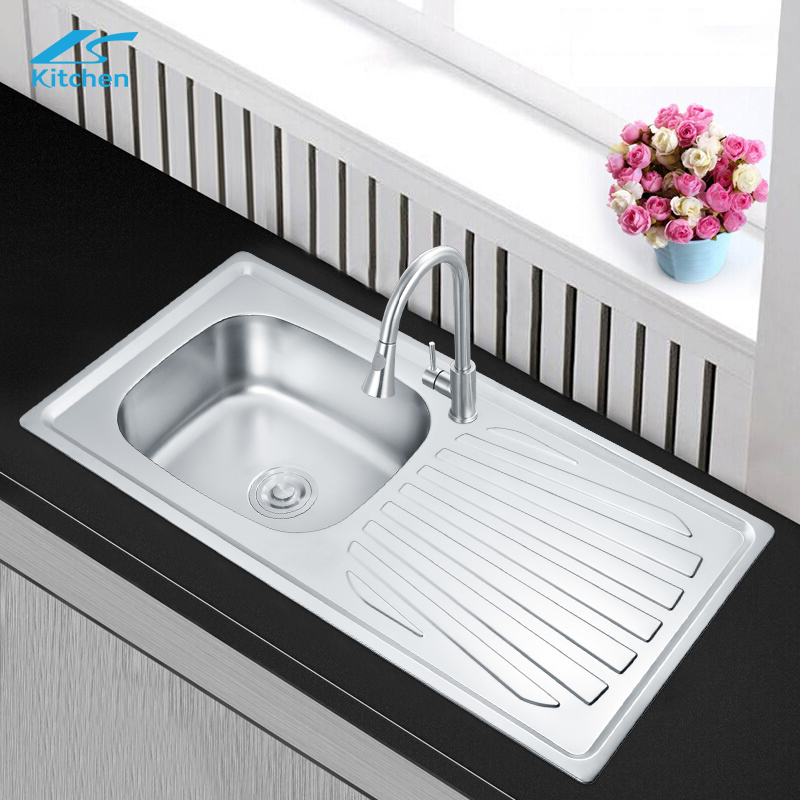
1. Exceptional Impact Resistance for High-Traffic Commercial Environments
Unlike residential spaces, commercial kitchens and facilities face significantly higher usage frequency and more intense working conditions. Stainless steel sinks naturally offer superior impact resistance and durability, allowing them to withstand:
Heavy cookware such as pots and pans
Continuous washing cycles
Rough daily operations
High-volume staff usage
Unexpected impacts
This makes stainless steel ideal for:
Restaurant and commercial kitchens
Hotels and hospitality facilities
Food processing and service stations
Public washrooms
Hospitals and clinics
Schools, dormitories, and government buildings
Large apartment buildings with frequently changing tenants
Unlike ceramic or composite sinks, stainless steel sinks do not crack, chip, or break easily—ensuring long-term performance in demanding B2B environments.
2. Outstanding Corrosion and Rust Resistance
Stainless steel contains chromium, which forms a natural protective oxide layer that makes the surface highly resistant to:
Water corrosion
Chemical cleaners
Oxidation
Acidic or alkaline exposure
Hard-water mineral deposits
Rust formation
Commercial spaces, especially food and medical environments, require frequent sanitization and exposure to strong detergents. Stainless steel sinks are specifically built for these needs, offering a long-lasting, stable performance even under excessive cleaning.
This durability significantly reduces replacement frequency—an important factor for project developers and purchasers.
3. The Most Hygienic Solution for Food & Medical Environments
Compared with porous materials like ceramic, stone, or wood, stainless steel has a non-porous, ultra-smooth surface, which provides major hygiene advantages:
Prevents bacterial growth
Does not absorb stains or odors
Easy to clean and disinfect
Resists scratches better
Passes hygiene inspections easily
For sectors such as restaurants, food processing facilities, laboratories, and medical institutions, stainless steel sinks remain the safest and most hygienic option available.
4. Cost-Effective for Large Engineering and Commercial Projects
In commercial development, cost control is crucial. Stainless steel sinks provide an ideal balance between performance and affordability, especially for large-scale procurement.
(1) Lower Material Cost
Compared with stone, ceramic, granite, or quartz sinks, stainless steel offers a more cost-efficient price point.
(2) Longer Lifespan & Lower Maintenance Costs
Stainless steel’s longevity reduces long-term replacement frequency and maintenance costs.
(3) Lightweight & Lower Shipping Costs
Its lightweight structure reduces transportation expenses, which is beneficial for wholesalers, distributors, and bulk buyers.
(4) Easy Installation
Unlike stone or composite sinks, stainless steel sinks require fewer installation steps—even for modern workstation sinks or smart kitchen systems.
For contractors, builders, traders, agents, and B2B suppliers, stainless steel sinks reduce labor time, shipping fees, maintenance expenses, and overall project costs.
5. Fits 2025 Design Trends: Minimalist, Modern, Industrial
Kitchen design trends in 2025 highlight modern, minimalist, and industrial aesthetics—perfectly aligned with the clean, sleek appearance of stainless steel sinks.
Highly customizable options include:
Shapes: square, round, rectangular, curved, farmhouse, workstation designs
Surface finishes: brushed, polished, nano black, matte black, gold, rose gold, embossed textures, electroplated finishes
Installation styles: top-mount, under-mount, flush-mount, integrated workstation
Stainless steel’s flexibility allows brands and suppliers to offer more styles for different project requirements—something ceramic and stone cannot achieve.
6. Versatile for Multiple Commercial Applications
Due to its high customization and manufacturing flexibility, stainless steel can be formed into:
Large double or triple-bowl sinks
Extra-deep commercial washing basins
Compact sinks for apartments or studios
Outdoor sinks with stands
Workstation sinks with multi-functional accessories
Bar sinks and utility sinks
Industrial washing stations
This versatility makes stainless steel the most adaptable sink type for B2B clients across various industries.
7. Environmentally Friendly & Fully Recyclable Material
As sustainability becomes essential in global procurement strategies, stainless steel gains even more importance.
Stainless steel is 100% recyclable, making it a preferred option for green building projects and certifications such as LEED.
More B2B buyers now prioritize environmentally friendly, recyclable materials—further solidifying stainless steel’s position in commercial development.
8. Stable Global Supply Chain and Predictable Pricing
By 2025, stainless steel sinks benefit from one of the most mature manufacturing and supply chains in the global building materials industry.
Key advantages include:
Stable production capacity
Consistent quality
Wide range of dimensions and models
Predictable pricing
Faster delivery lead times
Lower risk of supply interruptions
For traders, wholesalers, developers, and long-term engineering projects, this reliability is critical.
Conclusion: Stainless Steel Sinks Remain the #1 Commercial Choice in 2025
Even with the rise of innovative materials, stainless steel sinks remain the preferred solution for architects, contractors, kitchen designers, distributors, wholesalers, and B2B procurement teams.
Their combined advantages include:
Superior durability
Hygienic, non-porous surface
Modern and flexible design
Lower overall cost
Eco-friendly recyclability
Reliable global supply chain
For commercial projects seeking maximum value, longevity, and performance, the stainless steel sink continues to be the most dependable and cost-effective choice in 2025—and will likely remain so for many years.


